Hello ,
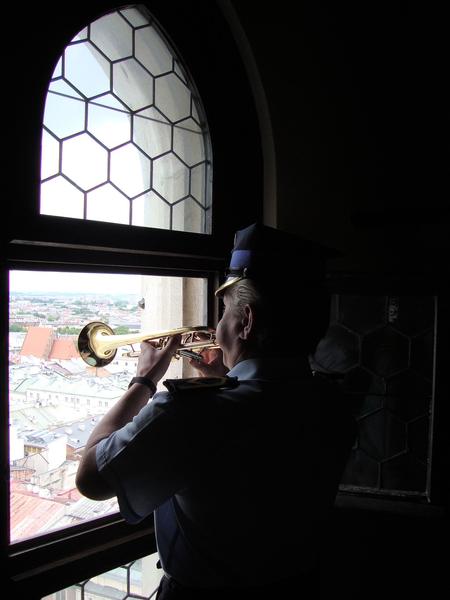
During the late-Medieval period, London had a strange law on the books—each entry gate into the city had to keep a musician on duty. This could be a dangerous job—city gates were where attackers and other
threatening outsiders first appeared. It’s like border patrol nowadays, but they gave the job to musicians.
As strange as it sounds, musicians took charge of many essential services back then. These hired municipal minstrels started showing up everywhere in Europe around the year 1370. They typically played wind
instruments—including trumpets, trombones, fifes, bagpipes, and recorders—as well as percussion.
To the modern mind, musical skills and police responsibilities have little in common, but in an earlier age the two roles often overlapped. Musicians not only helped defend the city gate but might also be required
to patrol streets at night. In Norwich in 1440 a tax was instituted to pay the waits for their watch—and these musicians were required to take an oath of office. In Germany, a minstrel was expected “to acquit himself well as a swordsman.”
Why musicians? The most obvious answer is that
musicians were ideal first responders because they could sound the alarm in case of a major disturbance. Certainly, a loud horn or drum helps in that regard. This signaling capacity of musical instruments also explains their longstanding use in military operations.
“For the Lord God does nothing without
revealing his secret to his servants the prophets." Amos 3:7 (ESV)
God has put servants in place throughout history, who have shared what is about to take place. Studying Bible prophecy has immense value to the Creator's followers.
Have a great day and God bless!
Pastor Mike / The Open Word