Hello ,
22-year-old Apu Sarker lives with his family in a village in northern Bangladesh. His father and his grandfather were farmers. The men in Apu's family appear to share a very rare genetic mutation: they have no fingerprints.
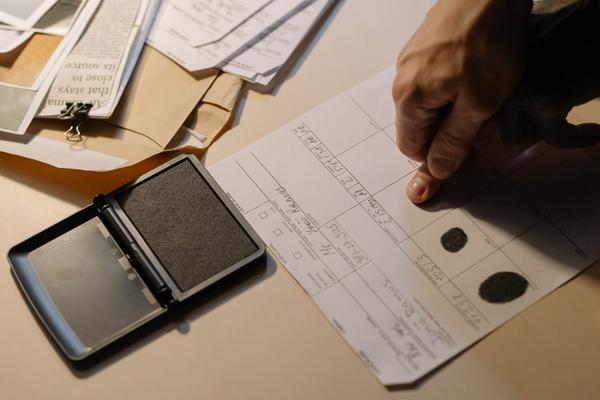
Back in the day of Apu's grandfather, having no fingerprints was no big deal. But over the decades, the tiny grooves that swirl around our fingertips have become the world's most collected biometric data. We use them for everything from passing through airports to voting to opening our smartphones.
When Apu was still a boy, Bangladesh introduced National ID cards for all adults, and the database required a thumbprint. The baffled employees did not know how to issue a card to Apu's father. Finally, he received a card with "NO FINGERPRINT" stamped on it.
In 2016, the government made it mandatory to match a fingerprint with the national database in order to purchase a Sim card for a mobile phone. Apu said, "They seemed confused when I went to buy a Sim, their software kept freezing every time I put my finger on the sensor.” Apu was denied the purchase, and he now uses Sim cards issued in his mother's name.
Apu recently got a new kind of national ID card being issued by the Bangladeshi government, after presenting a medical certificate. The card uses other biometric data, a retina scan and facial recognition. But he still can't buy a Sim card or obtain a driver's license. But he hopes he will be able to get a passport. He would love to travel outside Bangladesh. He just needs to start his application.*
"For we are His workmanship, created in Christ Jesus for good works, which God prepared beforehand so that we would walk in them." Ephesians 2:10
We're reminded through the above verse, that God's "fingerprints" must be on our lives, if we are ever to see eternity. Our fingerprints (or lack of them), have no bearing on our opportunities to taste "forever." but we must carry the "fingerprints" of His work in our lives.
Have a great day and God bless!
Pastor Mike / The Open Word